
Latest News
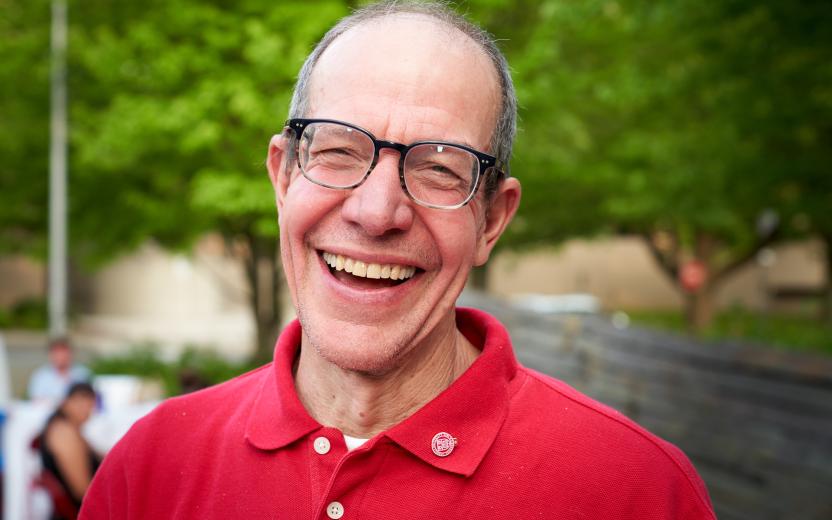
When Robert “Bob” Talda talks about making a career pivot, he often points to a path he spent years preparing for but ultimately chose not to pursue. While his plans changed, the experience left him with skills that would shape both his IT career and decades of service to the Cornell community.
Today, that spirit of adaptability and service is reflected both in his professional contributions and his volunteer support for campus traditions from Move-in to Commencement.
Since his first Cornell volunteer role around 1998, Talda has helped welcome students, support alumni, and celebrate graduates. While the events themselves vary, he says Commencement holds a special place because it provides a direct connection to the university's mission.
"Working day-to-day in IT, supporting storage and networking servers, the students don't know I'm here," Talda said. "Faculty members generally don't know I'm here unless something goes wrong with their computer.”
For Talda, Commencement represents the culmination of everything Cornell's faculty and staff work to achieve throughout the year. Watching graduates enter the stadium, spotting proud parents in the stands, and experiencing the excitement of the day remind him of the purpose behind the university's work.
"That's the mission brought to life for me," he said.
Each year, Talda builds and leads the Commencement field seating team. Although he has several returning members, he usually puts together a team of new volunteers across Cornell. He manages students, postdoctoral associates, faculty, staff, and executive leaders as they work side by side to help make the day successful.
Those experiences have also influenced his professional approach to leadership.
As Talda assembles his Commencement team, he establishes roles and communication practices and prepares them to handle a fast-moving event. Looking back, he realized that bringing together people from across the university and turning them into a cohesive team helped him develop leadership skills that transfer directly to his IT work.
"Every year I get together with a relative group of strangers, and I mold them into this team," he said.
Whether coordinating volunteers during inclement weather or adapting to changing circumstances on the field, Talda learned the value of clear communication, steady leadership, and staying calm under pressure. Those same qualities help him support customers and colleagues when technical challenges arise.
One memorable lesson came from volunteering at Slope Day in the late 1990s. Paired with a student volunteer named Sonja, Talda watched her dive into knots of students to check in with them and help ensure the event remained safe and enjoyable.
"I have no idea what her last name was," he recalled. "But she was completely fearless."
The experience reinforced something he has carried throughout his career: the importance of meeting people where they are, listening carefully, and communicating in ways that help them feel understood.
Talda sees those same "soft skills" as essential to delivering effective IT services.
When working with end users facing technical problems, he strives to remain calm, understand their perspective, and guide them through the situation. Rather than focusing solely on technology, he focuses on the person's experience.
"I’ve learned to be calm and controlled and communicate well and I try to meet the user and understand where they are, what they understand about what's going on, and what they've already tried," Talda said.
While technical expertise remains essential, Talda believes trust, empathy, and communication are equally important in building confidence in IT services.
"My goal is to improve our service for that individual person, but also to increase their overall feeling of goodwill about Information Technology and our services," Talda said.
Whether leading volunteers at Commencement or helping a customer solve a technical problem, Talda sees both as opportunities to build stronger connections.
"It's building goodwill toward the service," he said. "It's improving the IT service as a whole and the customer's perception of the IT service.”
Comments?
To share feedback about this page or request support, log in with your NetID