
Latest News
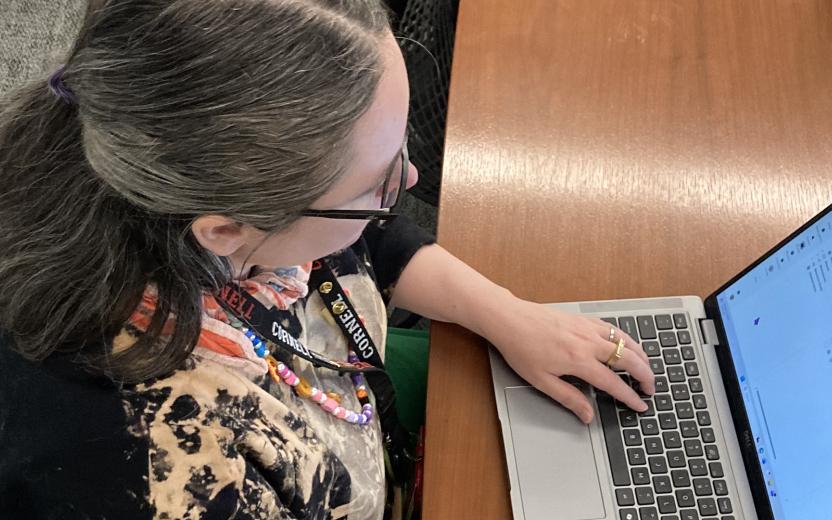
Even before staffing levels began to shift, Rose Howard was rethinking how work gets done—rebuilding her processes and adapting her workload with Smartsheet. Today, those efforts form the backbone of how she manages, analyzes, and shares complex data with faculty and administrators in Cornell’s Sibley School of Mechanical and Aerospace Engineering.
That system didn’t come together overnight. Over time, she moved the tracking and management of faculty data from FileMaker to Excel and, ultimately, into Smartsheet—reshaping not just where the data lived, but how it functioned and how it appeared in dashboards for department leaders and teams.
Secure Processes for Sharing Sensitive Information
As she rebuilt the foundation for managing sensitive faculty data, security was an early priority. Howard knew any solution for automating her work would need to operate within a secure environment. After connecting with Cornell IT, she confirmed that Smartsheet could meet the department’s requirements, including access controls tied to NetID logins, with the protections afforded therein.
With that assurance in place, Howard began mapping out her data flows in earnest. Rather than experimenting with test data, she worked directly with the real information she needed to support a range of dashboards.
“I learn best by doing,” said Howard. “Working with real data helped me quickly see what was possible—and what needed to change.”
Instead of pulling separate reports to answer individual requests, she now builds once and shares widely. A single dataset becomes intuitive dashboards that highlight multi-year teaching histories, sabbatical schedules, and promotion and tenure information—controlled for confidentiality, and tailored to different audiences.
“With Smartsheet, I can take one giant sheet of data and turn it into a simple, regulated dashboard displaying just what each audience needs,” said Howard. “It’s what I call ‘super Excel.’ The more data you have—and the more clearly it’s structured—the easier it is to turn it into something useful.”
Over the past three years, that approach has grown into a connected system of dashboards, forms, and automated workflows. Data only needs to be entered once, then it flows where it’s needed—cutting down on repetitive work and making sure only the right people see the right information.
Leadership, the finance team, and the undergraduate program each get views tailored to them, without having to sort through information that doesn’t apply.
That balance—access without overload—is key to the system’s effectiveness. By filtering out what doesn’t matter for each audience, dashboards reduce cognitive load, improve clarity, and support faster decision-making.
Or, as Howard said, “They don’t have to see how the sausage is made—they just get the sausage.”
Automations Help with Bandwidth as Staffing Shifts
As Howard's systems matured, the environment around her was also changing. Staffing levels shifted, and responsibilities once distributed across a team began consolidating.
What started as a way to improve efficiency quickly became an essential tool to help her navigate a changing workload.
“Automations I built to help people balance their workload turned into, ‘This is how I do that task now,’” Howard said.
Rather than stepping back, she kept building—using automation to absorb additional responsibilities and maintain continuity across the department. The systems she had already put in place made that possible.
At the same time, she wasn’t working in isolation. Through Cornell’s Smartsheet Teams channel, Howard connected with a broader community of staff who share ideas, troubleshoot challenges, and refine workflows together.
That collaborative layer, she said, is what makes the tool sustainable. “Smartsheet is an amazing individual tool, but its strength is in the sharing—in knowing the right data is going to the right people, with the right level of access.”
Comments?
To share feedback about this page or request support, log in with your NetID